
Indonesian National Revolution
Armed and diplomatic struggle for Indonesian independence from Dutch rule.

Unknown author · CC0
The Indonesian National Revolution, also known as the Indonesian War of Independence, was an armed conflict and diplomatic struggle between the Republic of Indonesia and the Dutch Empire, accompanied by an internal social revolution in postwar and postcolonial Indonesia. It took place between Indonesia's declaration of independence in 1945 and the Netherlands' transfer of sovereignty over the Dutch East Indies to the Republic of the United States of Indonesia at the end of 1949. The revolution marked the end of colonial administration in the Dutch East Indies, except for Dutch New Guinea, and significantly altered ethnic castes and the power of local rulers.
- start
- 1945
- end
- 1949
- field
- Armed conflict and diplomatic struggle
- nationality
- Indonesian
- known_for
- Ending Dutch colonial rule in the Dutch East Indies
Verified Timeline
Lore & Background
The Indonesian independence movement began on 20 May 1908, commemorated as the 'Day of National Awakening'. Nationalist organizations such as Budi Utomo, the Indonesian National Party, Sarekat Islam, and the Indonesian Communist Party grew rapidly in the first half of the 20th century. Some pursued cooperation with the Dutch through the Volksraad, while others demanded self-government. The Japanese occupation during World War II was a crucial factor, as Japan spread nationalist sentiment and created new institutions, elevating leaders like Sukarno. On 7 September 1944, Japanese Prime Minister Koiso promised independence for Indonesia, though no date was set. The unconditional surrender of Japan on August 15, 1945, was eagerly received by radical pemuda groups, who pressured Sukarno and Hatta to proclaim independence on 17 August 1945. The proclamation, signed by Soekarno and Hatta, declared: 'We, the people of Indonesia, hereby declare the independence of Indonesia.' The following day, the Preparatory Committee for Indonesian Independence elected Sukarno as president and Hatta as vice-president.
Reader's Guide
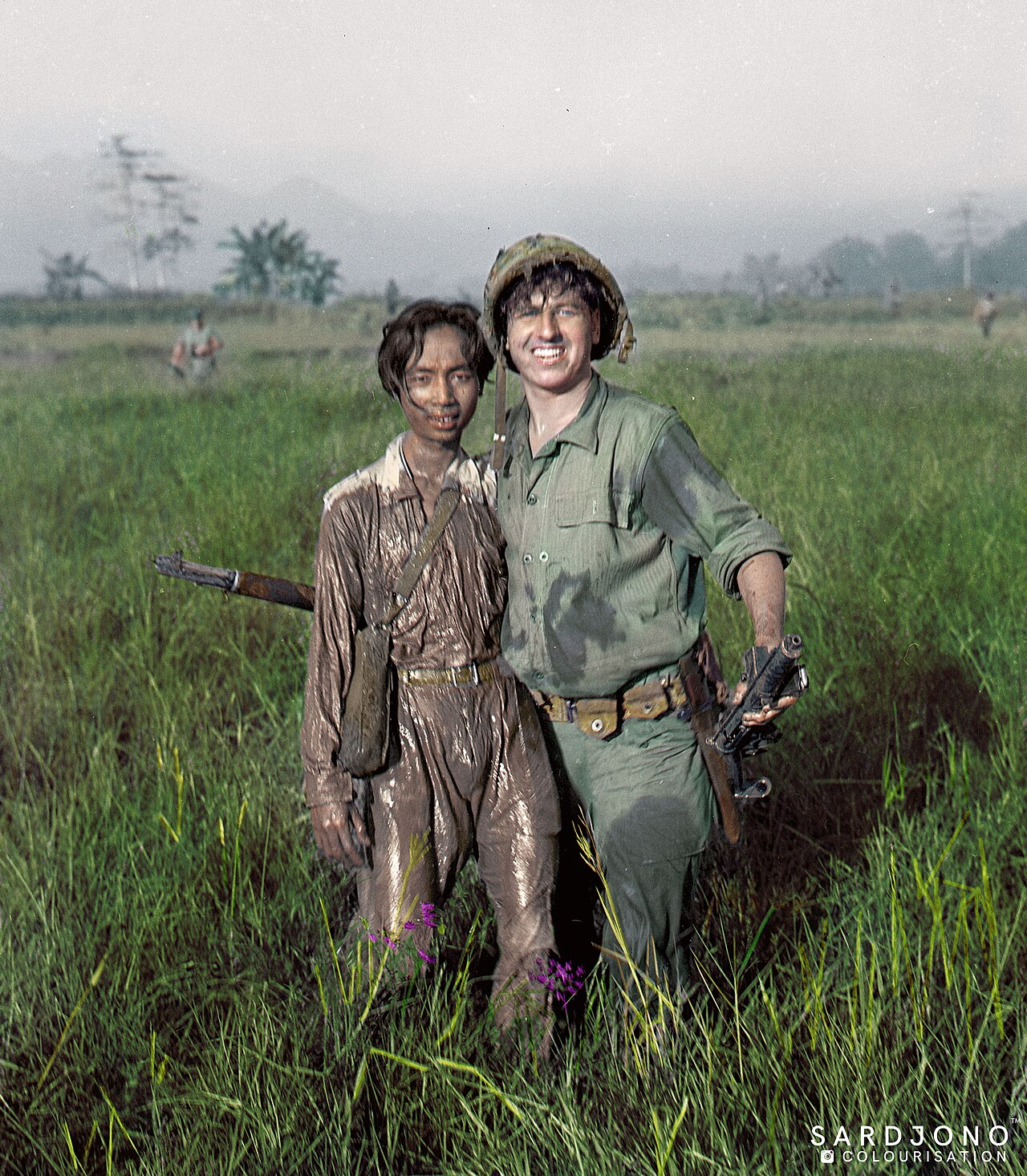
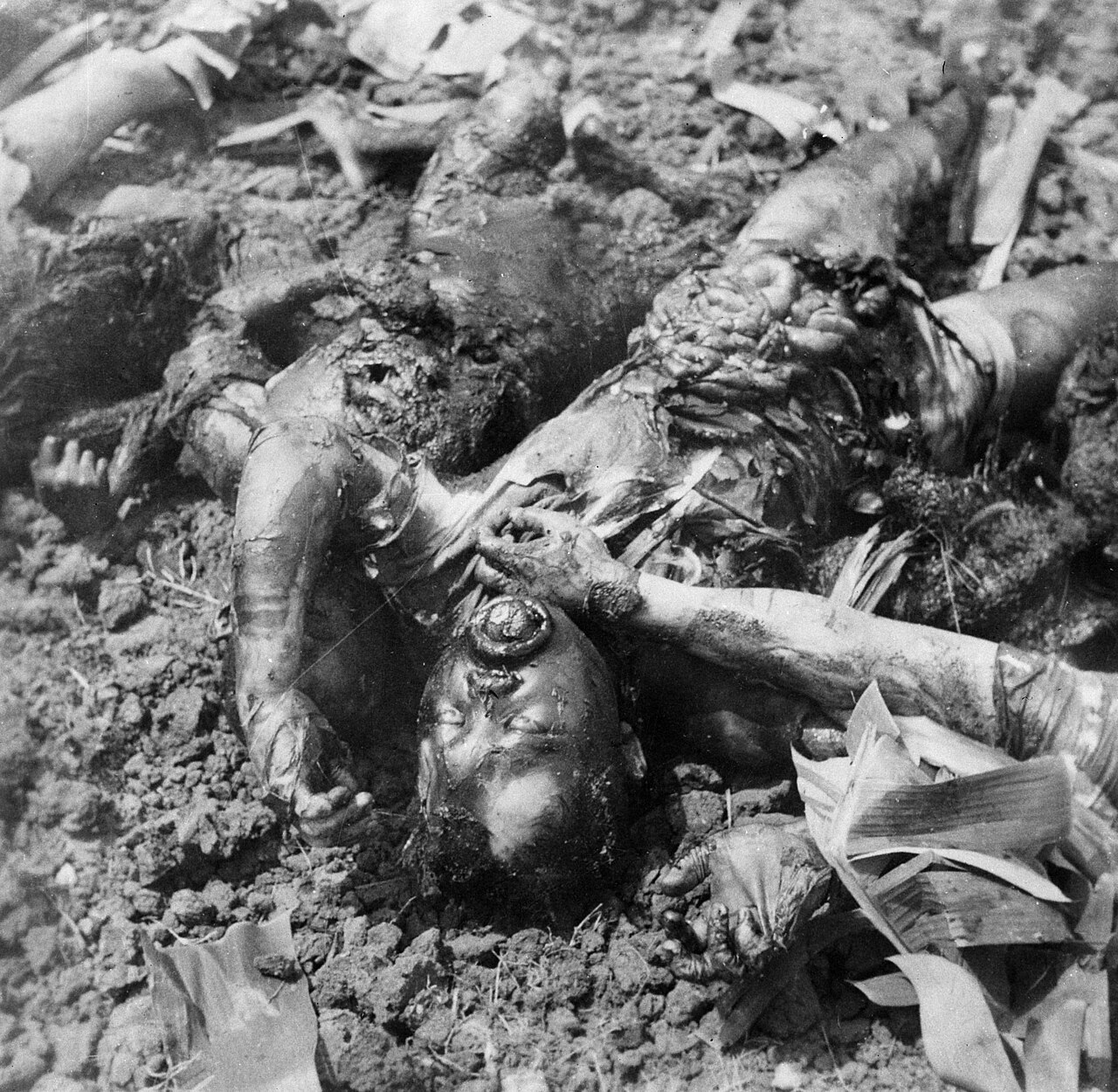
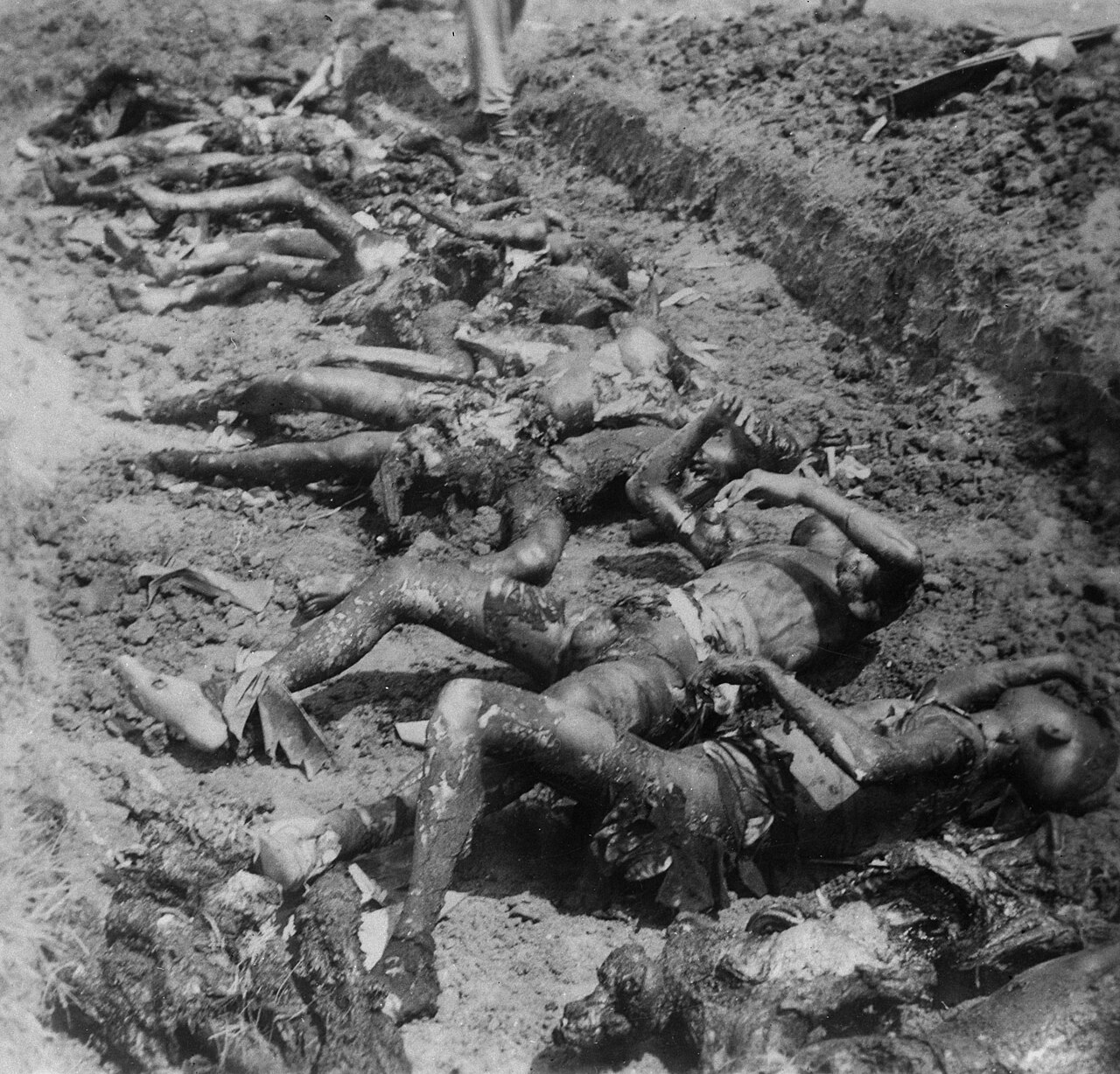
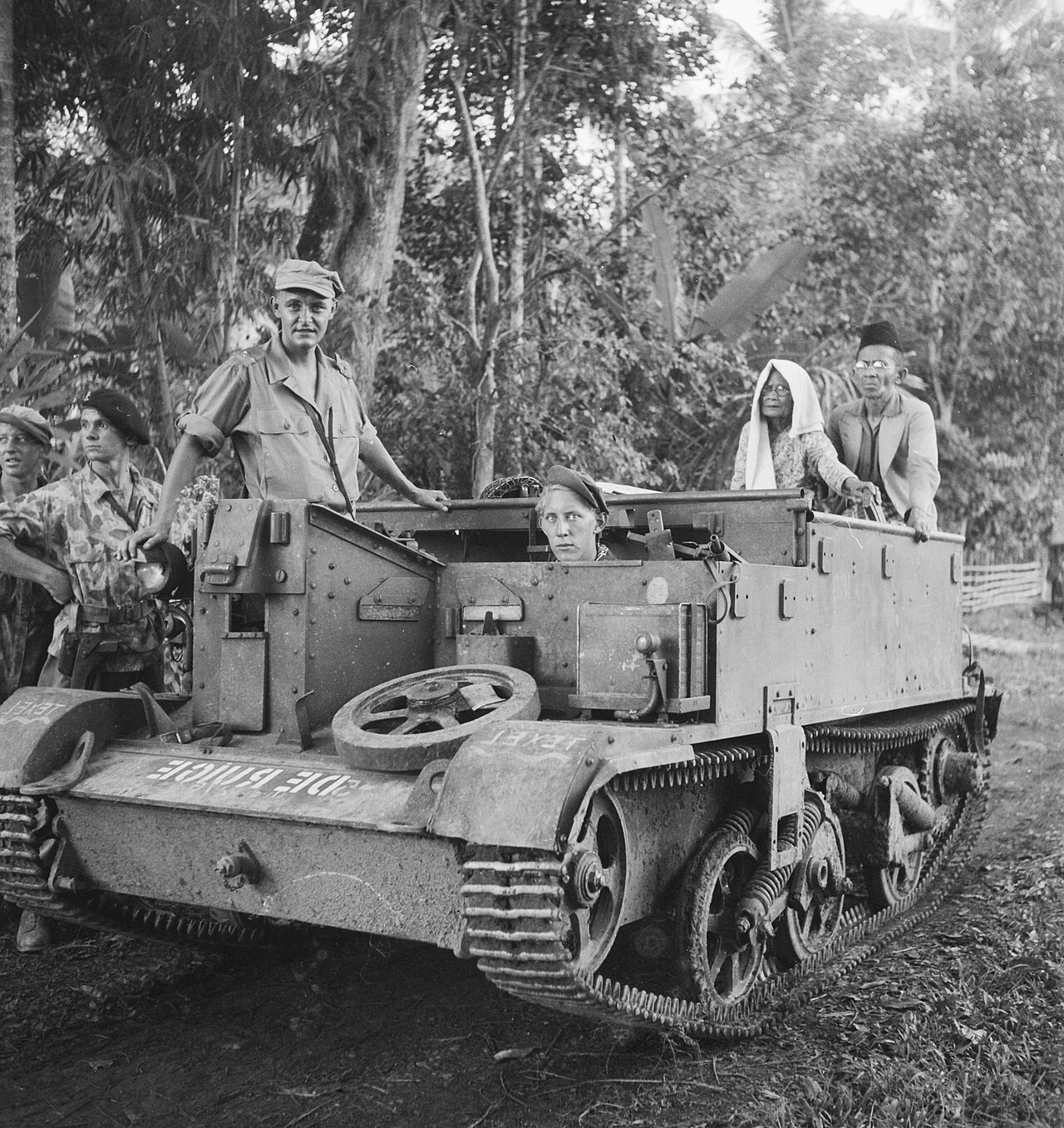
The revolution involved sporadic but bloody armed conflict, internal Indonesian political and communal upheavals, and two major international diplomatic interventions. Dutch military forces, and for a while forces of World War II allies such as the United Kingdom, controlled major towns, cities, and industrial assets in Republican heartlands on Java and Sumatra but could not control the countryside. By 1949, international pressure on the Netherlands—including the United States threatening to cut off all economic aid for World War II rebuilding efforts—and a partial military stalemate forced the Netherlands to transfer sovereignty over the Dutch East Indies to the Republic of the United States of Indonesia. The revolution did not significantly improve the economic or political fortunes of the majority of the population, although a few Indonesians gained a larger role in commerce. The Bersiap period (1945–46) saw widespread violence against ethnic out-groups, with estimated Dutch casualties ranging from 3,500 to 30,000, and Indonesian fighter deaths in the Battle of Surabaya between 6,300 and 15,000. Japanese forces lost around 1,000 soldiers, and British forces registered 660 soldiers, mostly British Indians, as killed.
Did You Know?
- The proclamation of independence was signed by Soekarno and Hatta on 17 August 1945, two days after Japan's unconditional surrender.
- The Bersiap period (1945–46) saw an estimated 3,500 to 30,000 Dutch casualties, with NIOD concluding approximately 5,500.
- In the Battle of Surabaya, Indonesian fighter deaths are estimated between 6,300 and 15,000, while British forces lost 660 soldiers, mostly British Indians.
- The United States threatened to cut off all economic aid for World War II rebuilding efforts to the Netherlands, contributing to the Dutch decision to transfer sovereignty.
- The revolution did not significantly improve the economic or political fortunes of the majority of the population, though a few Indonesians gained a larger role in commerce.
Roots of Nationalist Awakening
The Indonesian independence movement traces its origins to May 20, 1908, a date still honored as the Day of National Awakening. From that point forward, organizations like Budi Utomo, the Indonesian National Party, Sarekat Islam, and the Indonesian Communist Party grew rapidly through the first half of the twentieth century. These groups split along strategic lines: some, including Budi Utomo and Sarekat Islam, pursued cooperation by participating in the Dutch-established Volksraad, hoping self-rule would follow. Others rejected collaboration entirely, demanding outright self-governance. The Japanese occupation of 1942 to 1945 proved a transformative catalyst. The Dutch, unable to mount a meaningful defense, lost control of the colony within roughly three months. In Java and Sumatra, Japanese authorities actively encouraged nationalist sentiment, not out of genuine support for Indonesian freedom but to serve their own political interests. This encouragement spawned new local institutions and elevated figures like Sukarno into prominence. Crucially, the Japanese dismantled much of the Dutch-built economic, administrative, and political infrastructure, leaving a landscape ripe for revolution.
The Proclamation and the Bersiap
When Japan surrendered unconditionally on August 15, 1945, radical pemuda groups in Jakarta immediately pressed Sukarno and Hatta to declare independence. Two days later, on August 17, the proclamation was read, and the following day the PPKKI committee elected Sukarno president and Hatta vice-president. News of the declaration took until mid-September to reach the outer islands, and many Indonesians far from the capital initially doubted its authenticity. Once it spread, a revolutionary mood swept the archipelago. The weeks that followed were marked by a profound power vacuum: the Japanese were ordered to disarm yet maintain order, a contradiction some resolved by handing weapons to Indonesian soldiers they had trained. Republican pemuda seized control of railway stations, trams, and urban infrastructure in Java's largest cities with minimal Japanese resistance. They established their own radio stations, newspapers, and struggle committees across the islands. Allied shipping did not arrive for weeks, partly because Australian workers boycotted Dutch shipping operations, a strike that persisted until July 1946. This window of uncertainty gave the young republic a fragile but real foothold.
Four Years of War and Diplomacy
The conflict that unfolded between 1945 and 1949 was neither a single campaign nor a clean military contest. Dutch forces, backed at times by British and other Allied troops, held the major towns, cities, and industrial assets across Java and Sumatra, yet they could never secure the vast countryside. The result was a partial military stalemate punctuated by sporadic but brutal fighting. Two major international diplomatic interventions shaped the trajectory of the war. The decisive pressure came not from the battlefield but from Washington: the United States threatened to sever all economic aid for postwar reconstruction to the Netherlands, a blow the Dutch economy could not absorb. By the end of 1949, the combination of international isolation and military deadlock compelled the Netherlands to transfer sovereignty over the Dutch East Indies to the newly formed Republic of the United States of Indonesia. The four-year struggle thus ended not with a decisive victory on either side, but with diplomatic exhaustion and the recognition that colonial rule could no longer be sustained.
A Revolution That Reshaped Power, Not Prosperity
The revolution's most concrete achievement was the dismantling of Dutch colonial administration across the archipelago, with the notable exception of Dutch New Guinea. Beyond the political transfer, the upheaval significantly altered Indonesia's social hierarchy. Ethnic castes were restructured, and the traditional authority of local rulers, the raja, was substantially diminished. Yet the revolution's benefits did not trickle broadly to ordinary Indonesians. The economic and political fortunes of the majority of the population saw little meaningful improvement in the immediate aftermath. A small number of Indonesians did manage to carve out larger roles in commerce, but this was the exception rather than the rule. The revolution, in other words, broke the structures of colonial and feudal power without automatically building new structures of shared prosperity. It created a sovereign state and a new political order, but the material conditions of daily life for most citizens remained largely unchanged, leaving the deeper work of nation-building to the decades that followed.
Gallery

Frequently Asked Questions
What is the Indonesian National Revolution?
It was a combined armed and diplomatic campaign in which the newly proclaimed Republic of Indonesia fought to shed Dutch colonial control over the Dutch East Indies. The conflict also encompassed a broader internal social revolution in the postwar, postcolonial period.
When did the Indonesian National Revolution take place?
The struggle ran from Indonesia's 1945 declaration of independence through the Dutch handover of sovereignty to the Republic of the United States of Indonesia at the close of 1949.
Who were the main parties involved?
The central opponents were the Republic of Indonesia and the Dutch Empire, while a wave of internal social revolution also played out among Indonesian communities in the postwar era.
How did the Indonesian National Revolution end?
It concluded in late 1949 when the Netherlands formally transferred sovereignty over the Dutch East Indies to the newly established Republic of the United States of Indonesia. Dutch New Guinea was the sole territory left outside that transfer.
Why is the Indonesian National Revolution historically significant?
It brought an end to Dutch colonial administration across the Dutch East Indies and established Indonesia as a sovereign state. It is widely regarded as the defining conflict that secured Indonesian independence.
More in Revolutions And Conflicts 1-20
Spotted an error? Know more?
This is a living reference — every entry is fact-audited, and reader corrections feed straight into our audit queue. Suggest an edit · See this site's audit record