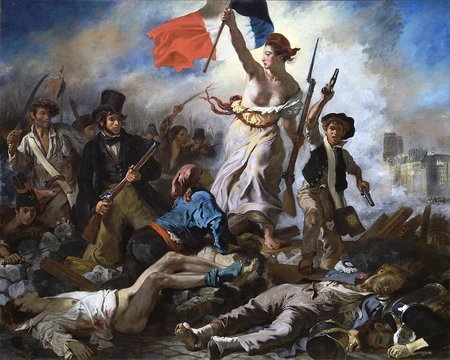
French Wars of Religion

Edward Baines · Public domain
Between two and four million people died from violence, famine or disease directly caused by the conflict, which ultimately ended with the monarchy significantly strengthened under Henry IV.
- field
- Civil wars
- nationality
- French
- known_for
- Series of civil wars between Catholics and Huguenots, ending with the Edict of Nantes
Lore & Background
Tensions between the two religions had been building since the 1530s, exacerbating existing regional divisions and quests for power among the nobles. Both sides received assistance from external powers, with Spain supporting the Catholics (Savoy's involvement was minor and intermittent), while English support for the Protestants was inconsistent and often covert; the Dutch Republic did not exist as an independent state until 1581.
Reader's Guide
The wars threatened the authority of the monarchy and the last Valois kings, Catherine's three sons Francis II, Charles IX, and Henry III.
Did You Know?
- Between two and four million people died from violence, famine or disease directly caused by the conflict.
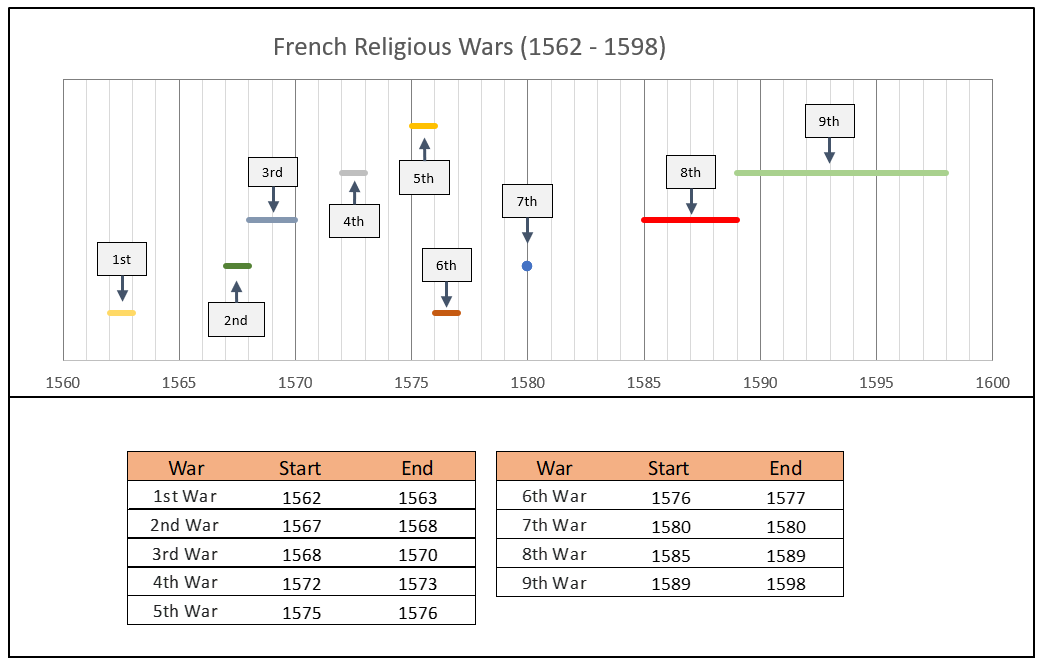
- The wars are also known as the 'Eight Wars of Religion' or simply the 'Wars of Religion' within France.
Gallery

Frequently Asked Questions
What is the French Wars of Religion?
It is a series of civil wars fought in France during the latter half of the 16th century, pitting Catholic forces against Protestant Huguenots over religious practice and control of the throne. The conflict involved multiple noble houses, foreign powers, and common populations across the kingdom.
How many people died in the French Wars of Religion?
Scholars estimate that between two and four million people perished from direct violence, famine, and disease linked to the fighting. That figure makes it one of the deadliest internal conflicts in European history.
How did the French Wars of Religion end?
The wars concluded with the Edict of Nantes in 1598, which granted Huguenots limited civil and religious rights. The monarchy emerged significantly stronger under Henry IV, who consolidated royal authority over the previously fractious noble factions.
Why is the French Wars of Religion important?
It permanently shifted power from regional noble houses toward the central French crown, shaping the modern French state. It also set early precedents for managing religious diversity within a single polity, influencing later ideas of state tolerance.
Who were the main parties in the French Wars of Religion?
The Catholic side was led by the Guise family and backed by the Spanish crown, while the Huguenot side was championed by the Bourbon and Coligny families. Both camps also drew in other European powers, turning a domestic dispute into a wider continental struggle.
More in Revolutions And Conflicts 1-20
Spotted an error? Know more?
This is a living reference — every entry is fact-audited, and reader corrections feed straight into our audit queue. Suggest an edit · See this site's audit record