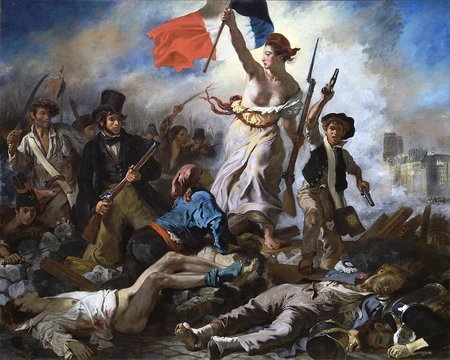
Hungarian Revolution of 1956
A 13-day uprising against Soviet domination, crushed by Soviet forces.

Globetrotter19 · CC BY-SA 3.0
- casualties
- 2,500 Hungarians killed; 720 Soviet soldiers killed
Reader's Guide
The uprising, though brief, exposed the deep popular resentment against Stalinist rule and Soviet domination. The revolution's suppression reinforced the Iron Curtain and solidified Soviet control over Eastern Europe for decades. However, the event also inspired future dissident movements and highlighted the courage of ordinary citizens and students who risked everything for national sovereignty and democratic reforms. The revolution's legacy includes the mass exodus of nearly a quarter of a million refugees, which reshaped Hungarian diaspora communities, and the enduring symbol of resistance against authoritarianism.
Did You Know?
- The revolution began when university students appealed to the civil populace to protest at the Hungarian Parliament Building.
Gallery
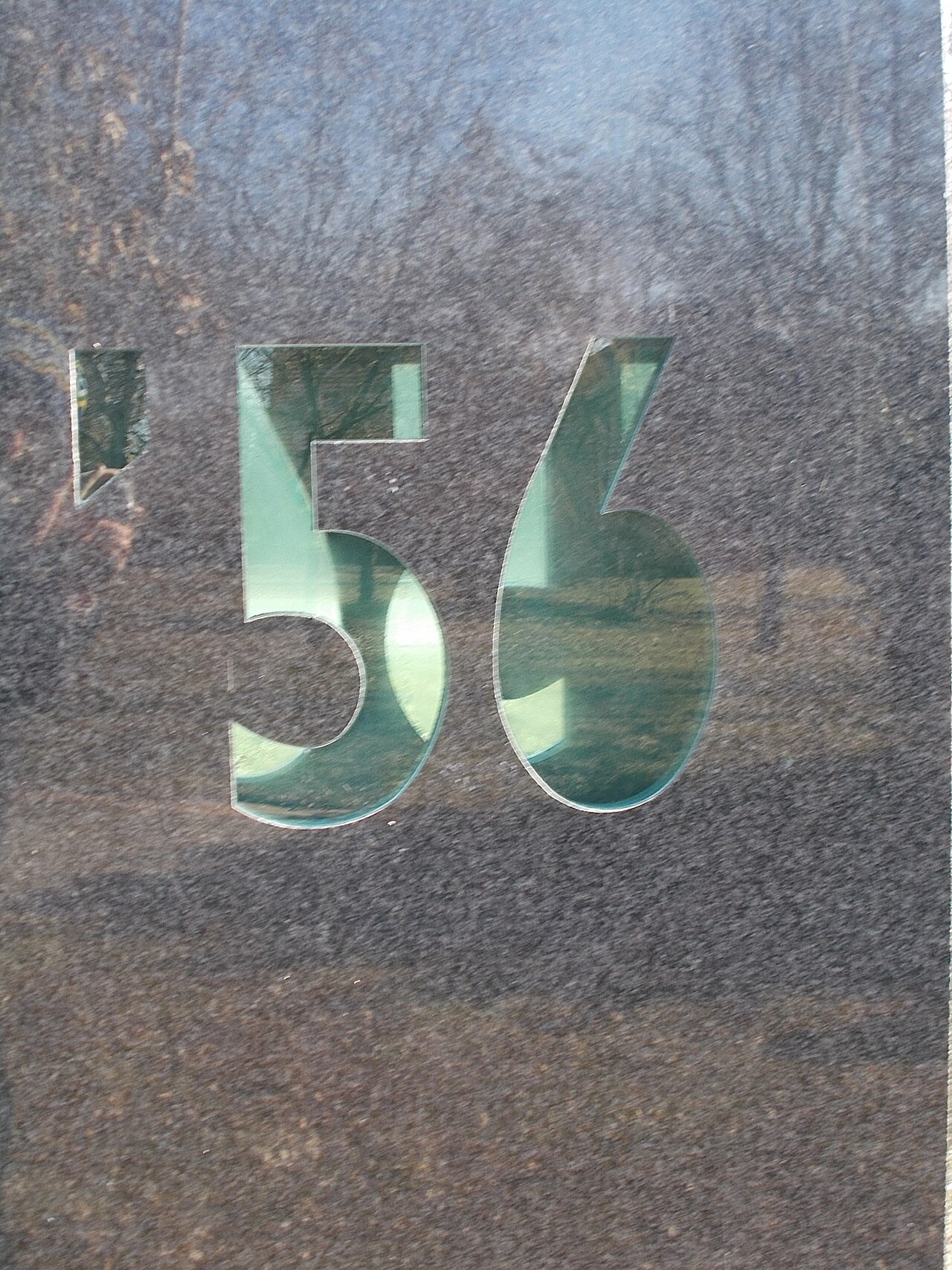
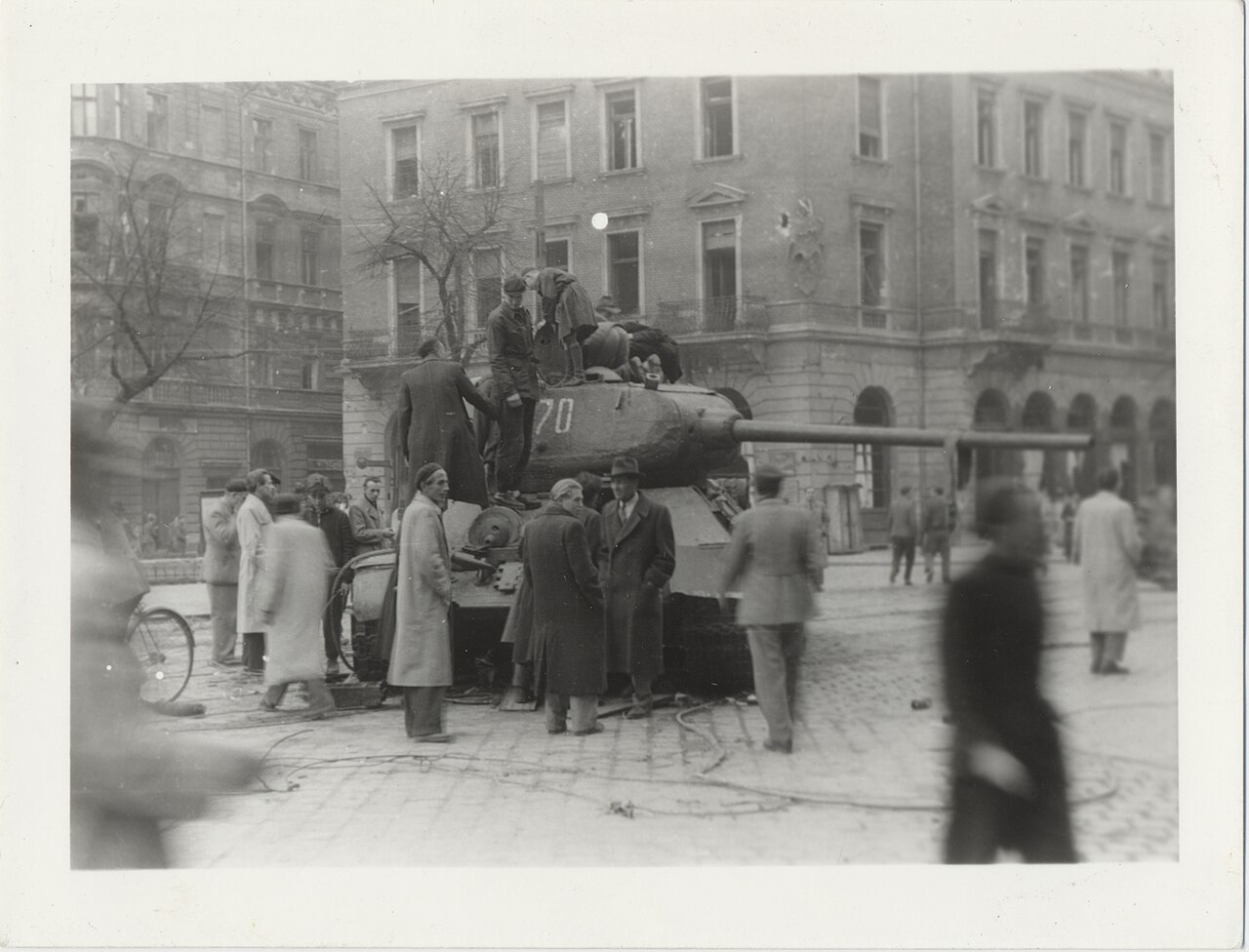
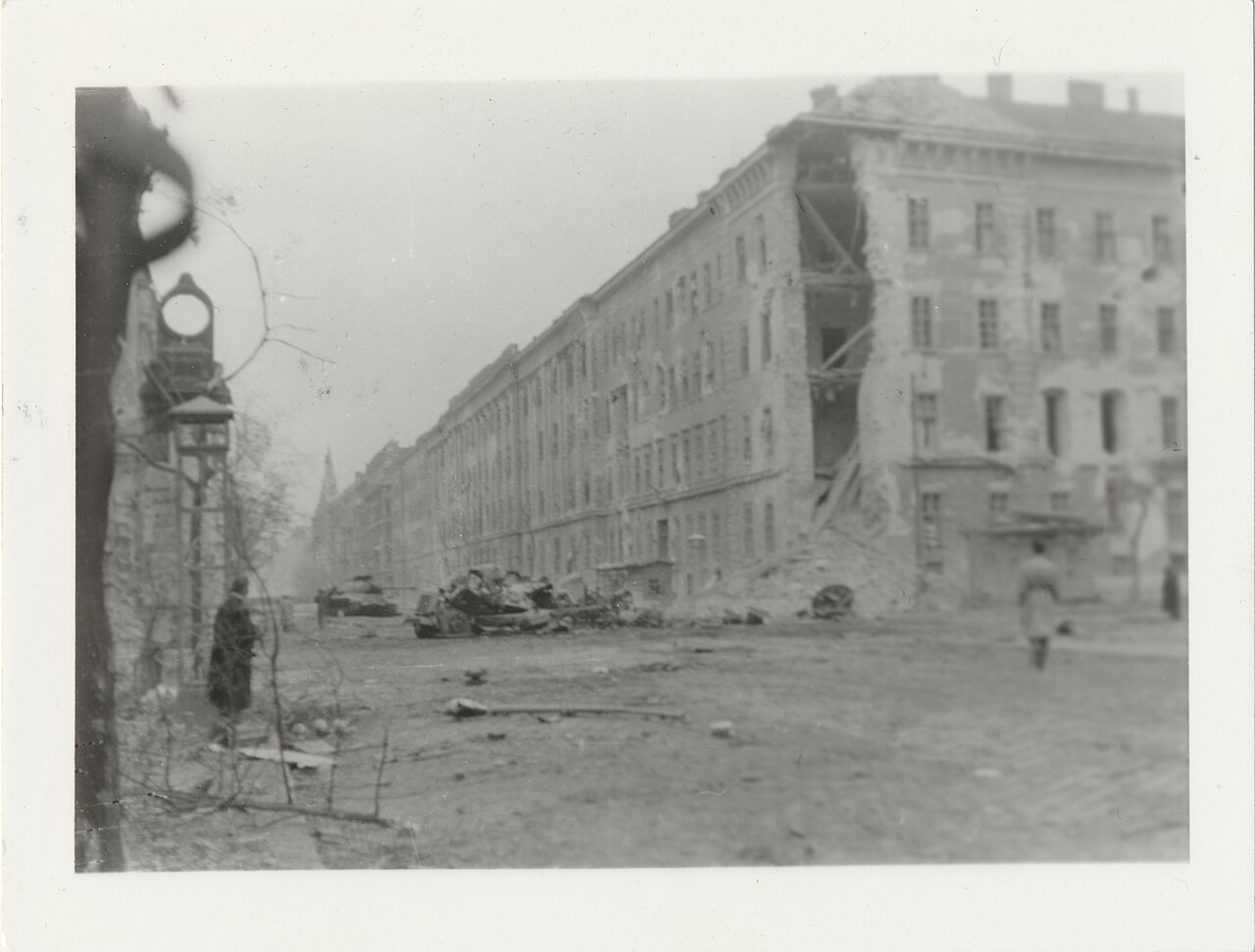
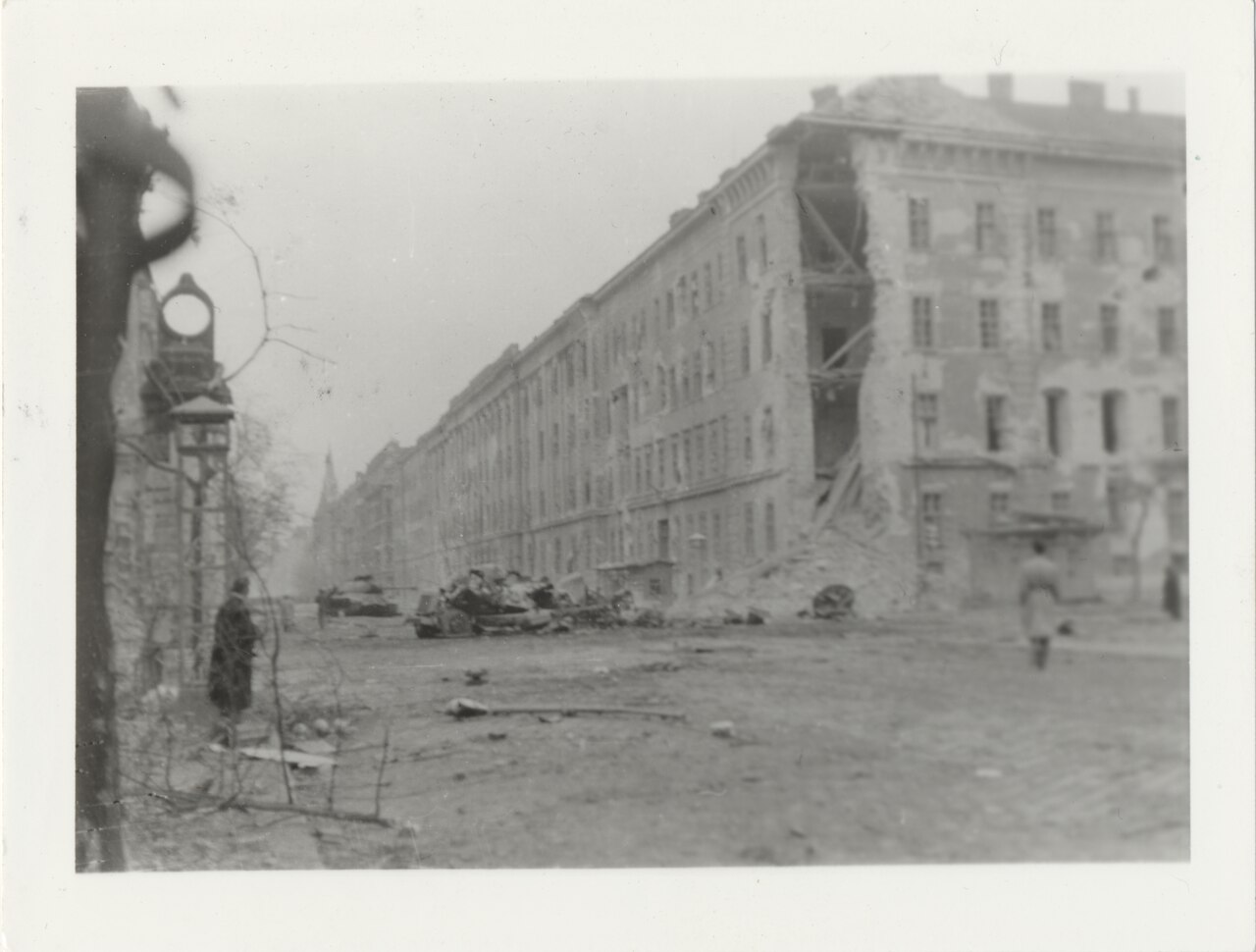
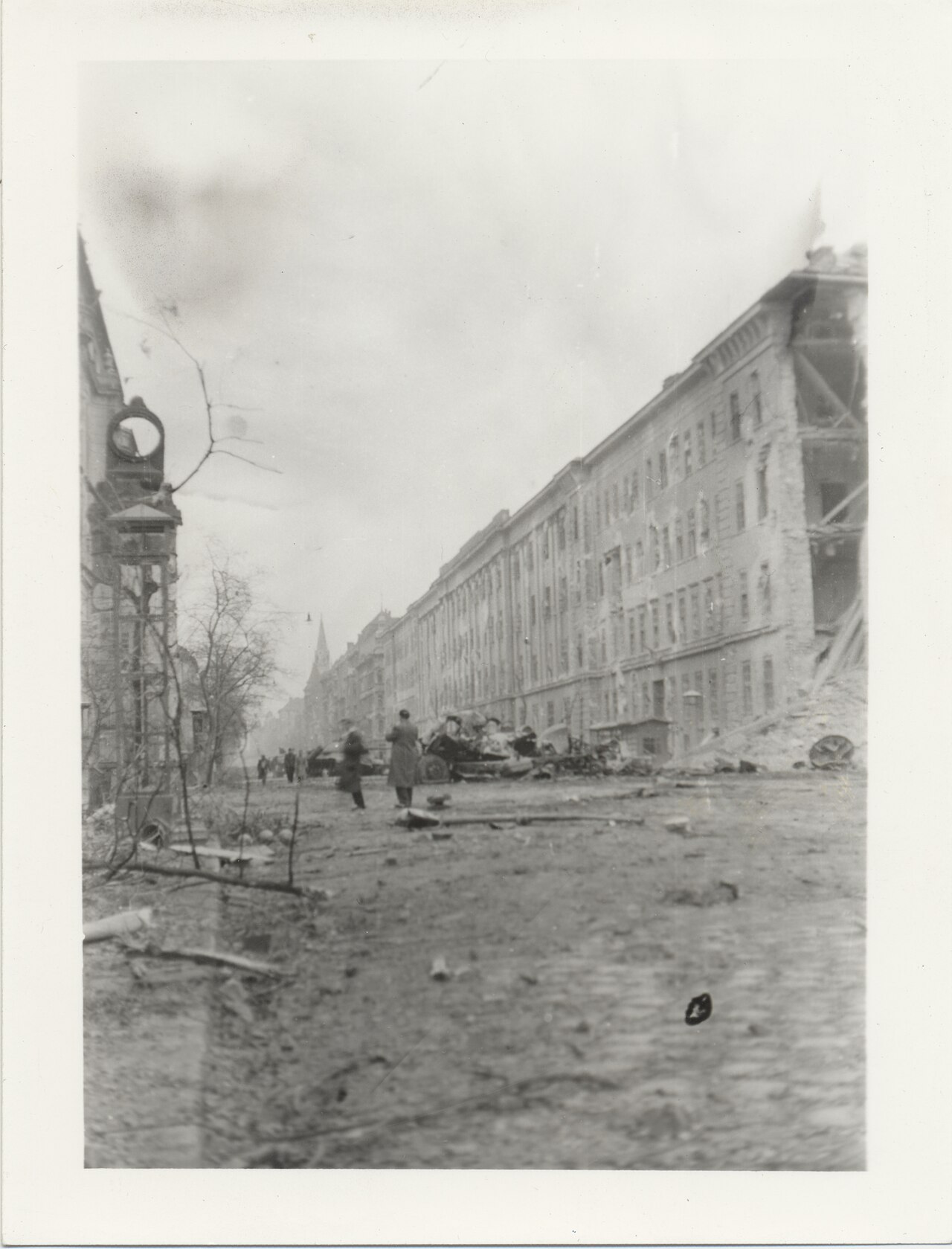
Frequently Asked Questions
What was the Hungarian Revolution of 1956?
It was a 13-day popular uprising in which Hungarians rose up to reject Soviet political and military control over their country. The revolt was ultimately suppressed when Soviet troops re-entered Budapest and reasserted dominance.
How long did the Hungarian Revolution of 1956 last?
The entire uprising spanned just 13 days, making it one of the shortest yet most intense anti-Soviet revolts of the Cold War era.
Who crushed the Hungarian Revolution of 1956?
Soviet forces, acting on Moscow's orders, deployed tanks and troops to overrun Budapest and restore Soviet-aligned authority, ending the uprising by force.
How many people died in the Hungarian Revolution of 1956?
Roughly 2,500 Hungarian civilians and combatants lost their lives, while the Soviet side recorded about 720 soldier deaths during the suppression.
Why is the Hungarian Revolution of 1956 historically significant?
It demonstrated that satellite-nation populations could briefly seize their own government and demand genuine sovereignty, even though the experiment was violently reversed. The event became a lasting symbol of resistance to imposed foreign control throughout the Eastern Bloc.
More in Revolutions And Conflicts 1-20
Spotted an error? Know more?
This is a living reference — every entry is fact-audited, and reader corrections feed straight into our audit queue. Suggest an edit · See this site's audit record