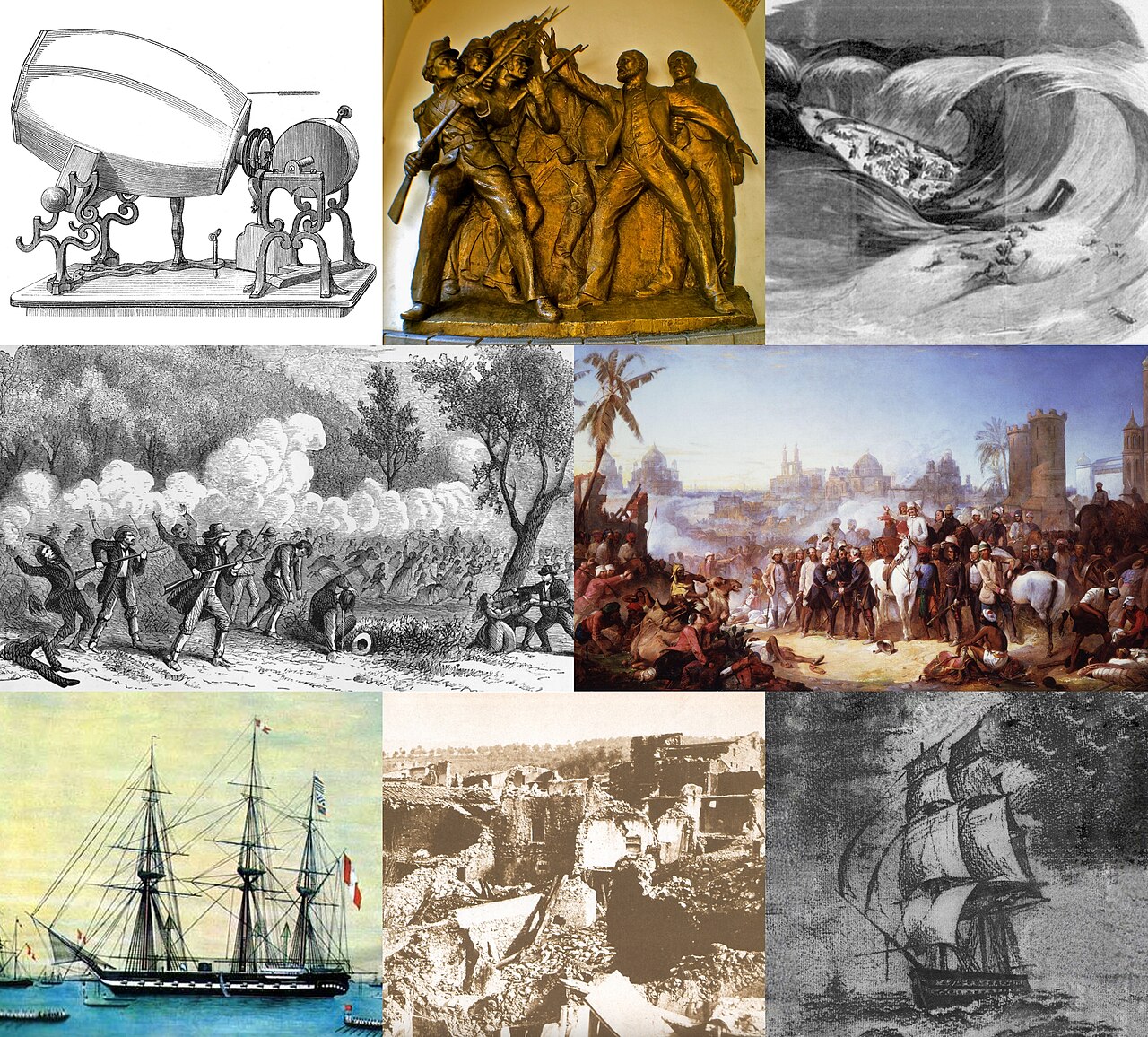
Indian Rebellion of 1857

From a variety of images credited above. · CC BY 4.0
- location
- India, chiefly upper Gangetic plain and central India
- participants
- Sepoys of the East India Company, civilian rebels, British forces
- outcome
- Rebel defeat; dissolution of the East India Company; establishment of British Raj
- key_leaders
- Bahadur Shah Zafar (declared Emperor of Hindustan)
Lore & Background
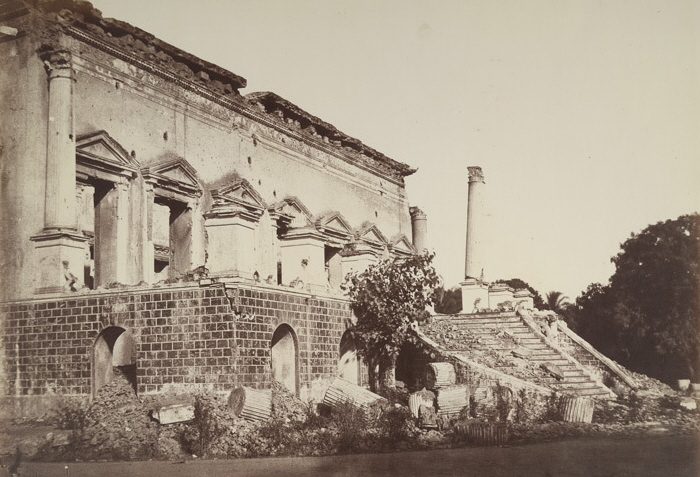
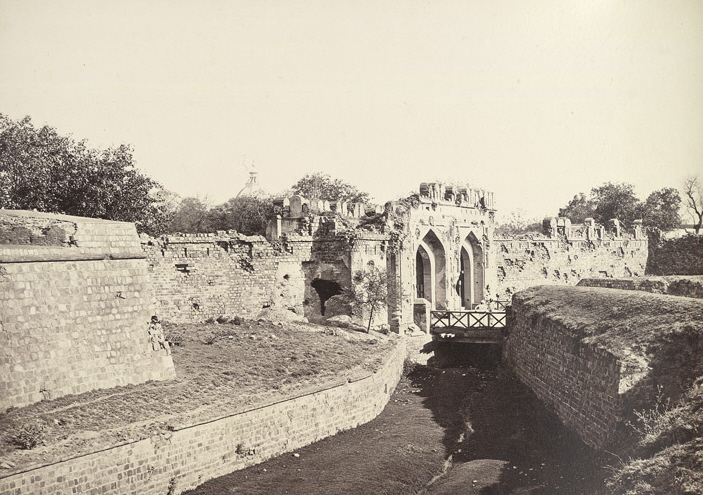
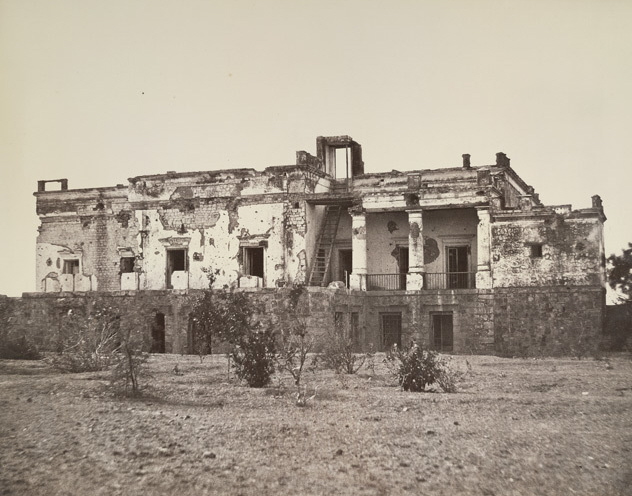
The rebellion was fed by resentments born of diverse perceptions, including invasive British-style social reforms, harsh land taxes, summary treatment of some rich landowners and princes, and scepticism about British claims of material improvement. Many Indians rose against the British; however, many also fought for the British, and the majority remained seemingly compliant. Violence, which sometimes betrayed exceptional cruelty, was inflicted on both sides: on British officers and civilians by the rebels, and on rebels and their supporters by British reprisals; the cities of Delhi and Lucknow were laid waste.
Reader's Guide
India was thereafter administered directly by the British government in the new British Raj. In the following decades, when admission to these rights was not always forthcoming, Indians pointedly referred to the Queen's proclamation in growing avowals of a new nationalism. The rebellion also highlighted the contested nature of its own name, reflecting differing perspectives on its character as a mutiny, a rebellion, or a war of independence.
Did You Know?
- The 81-year-old Mughal ruler Bahadur Shah Zafar was declared Emperor of Hindustan by the rebels.
Gallery
Frequently Asked Questions
What was the Indian Rebellion of 1857?
It was a widespread 1857 uprising against the East India Company's rule, triggered first by grievances among Indian sepoy soldiers and then swelling into a broader civilian revolt. The rebellion was ultimately crushed by British military forces, but it permanently altered the political structure of colonial India.
Who was the key leader of the Indian Rebellion of 1857?
Bahadur Shah Zafar, the last Mughal emperor, was proclaimed Emperor of Hindustan by rebel factions and served as the symbolic political figurehead of the uprising. He did not directly command armies, but his name provided a unifying authority for otherwise scattered rebel groups.
Where did the Indian Rebellion of 1857 mainly take place?
The heaviest fighting was concentrated across the upper Gangetic plain in northern India and in parts of central India. These regions saw the most intense clashes between Company sepoy units, civilian insurgents, and British military forces.
What was the outcome of the Indian Rebellion of 1857?
The rebels were ultimately defeated, and the British Crown dissolved the East India Company, assuming direct administrative control over India. This transition marked the beginning of the British Raj, a period of formal colonial rule that would last until 1947.
Why is the Indian Rebellion of 1857 considered historically significant?
It is widely regarded as the first major anti-colonial uprising in South Asia and the decisive event that ended Company governance. Although it failed to secure independence, it exposed the vulnerability of British control and established a precedent for later nationalist movements.
More in Revolutions And Conflicts 1-20
Spotted an error? Know more?
This is a living reference — every entry is fact-audited, and reader corrections feed straight into our audit queue. Suggest an edit · See this site's audit record